Low stock message on a product page: when it works
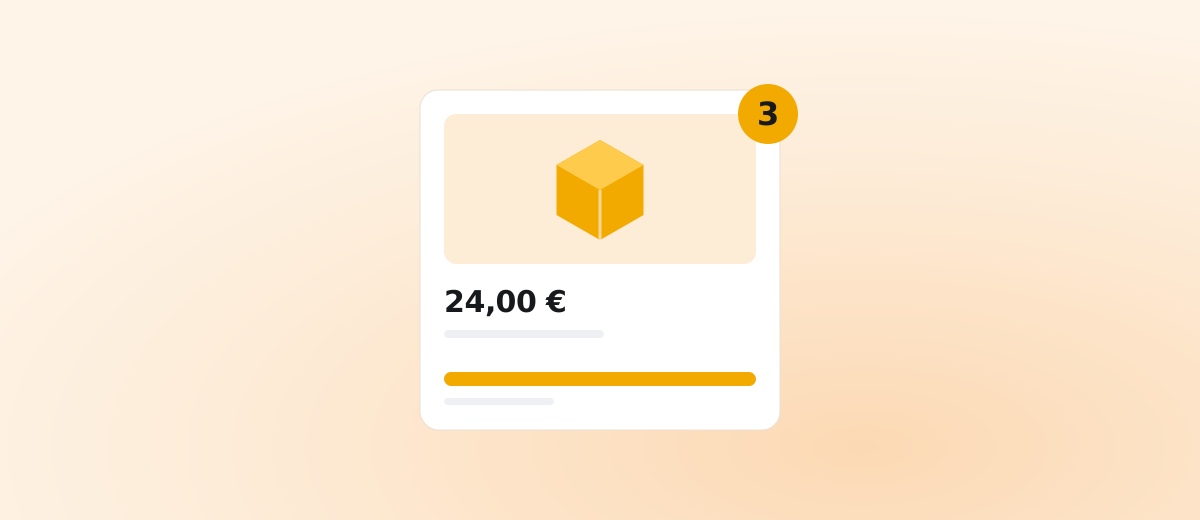


A low stock message helps when it is true, specific and shown only for products that really are running out. It hurts when it appears on everything, never changes or says “only 2 left” about an item you have 400 of. Shoppers who spot that once will discount every other claim in your shop.
When does a low stock message help?
It helps the visitor who is already interested and wants to know whether waiting is safe. For a product with steady demand, “4 pieces left” answers a real question: should I order now or can I think about it until the weekend?
It also helps with products that cannot be restocked quickly, such as a seasonal range, a small production run or a supplier with a long lead time. There the message simply describes the situation.
It does little for products that sell a couple of times a month. Three pieces in stock may be the normal level for them, so a warning would be on screen all year and would stop meaning anything.
When does it hurt trust?
Mostly when it is obviously decoration. A banner that says “only 3 left” on every product, a counter that resets on reload or a number that has been 3 for months are all easy for a regular customer to notice. The damage is larger than the lost effect of the message, because the customer starts to doubt the stock, the delivery promises and the reviews too.
Pressure wording has the same effect. “Hurry, someone else is looking at this” is a claim about other people that you probably cannot check. Stick to facts about your own warehouse.
How do you choose the threshold?
Start with sales speed. The message should appear when the remaining stock covers only a short time, so a good starting point is about three days of average sales. Then add two limits: do not go above about ten pieces, so the number stays believable, and do not go below two, so a single item does not flicker on and off.
A worked example with made-up numbers:
- Product A sells about 14 pieces a week, which is 2 a day. Three days of sales is 6, so the message appears at 6 pieces or fewer.
- Product B sells about 70 pieces a week, which is 10 a day. Three days would be 30, but the cap of 10 applies, so the message appears at 10 or fewer.
- Product C sells about 3 pieces a month. Three days of sales is well under one piece, so the lower limit of 2 applies. With 12 in stock no message appears. With 2 left it does.
Review the numbers once a season. A product that doubled its sales needs a higher threshold, and one that slowed down needs a lower one.
What should the wording say?
Use the real count when it is small and true: “3 pieces left”. Above the cap, or when stock is spread across several locations, a softer phrase such as “last pieces in stock” is enough, as long as the situation behind it holds.
Write the message in the same place and style as the other availability information, usually next to the price or the add to cart button. A red box that looks like an alert makes the page feel pushy. Plain text in a clearly visible colour works well.
Do not mix the count with promises you cannot keep. “3 pieces left, dispatched today” is only fine if all three really leave today.
How do you connect it to real stock?
The number has to come from the same source as your inventory, not from a text field someone edits by hand. A few points are worth checking:
- Reserved items. If your system subtracts stock only when an order is paid, the counter can show pieces that are already in other people’s carts or unpaid orders.
- Several warehouses. Decide whether the message shows the total or only what ships immediately, and say so if they differ.
- Variants. A T-shirt with ten sizes needs a message per size, otherwise “2 left” is shown for the whole product while size M has 40.
- Delays. If stock is synchronised from a supplier feed once an hour, a count of 1 or 2 can be out of date. Treat very low numbers with extra care or show the softer phrase.
When the count reaches zero, the message should change immediately to the sold out state.
What about products you can reorder?
If a product comes back on a known date, the low stock message and the restock information should appear together. “2 pieces left, new delivery expected 20 October” is more useful than either half. If you do not know the date, say that instead of guessing.
Products that you always reorder within a few days from a supplier with plenty of stock should often not show the message at all. The shopper would be told to hurry about something that will be available again on Monday.
How do you avoid confusing it with delivery time?
Stock and delivery time answer different questions. “3 pieces left” tells how many are available. “Delivered on Thursday” tells when they arrive. When both sit in the same line, such as “Few pieces, delivery in 3 days”, visitors tend to read it as one promise, and the customer may expect Thursday for an item that was taken from the remaining three after someone else clicked first.
Keep them as two separate pieces of information with their own labels, and make sure the delivery date does not depend on the stock count shown. The article on showing a delivery date on the product page covers that part in detail, and the one on Christmas delivery deadlines shows what the combination looks like in the busiest weeks.
A short list of dos and don’ts
- Do show the message only below a threshold based on how quickly the product actually sells.
- Do use the exact count when it is small and verified.
- Do remove it automatically when stock is replenished.
- Don’t show it on all products or fake a number.
- Don’t use countdown timers or claims about other visitors you cannot verify.
- Don’t combine it with a delivery promise in one sentence.
FAQ
Does a low stock message increase sales?
It can for products with real, short supply and interested visitors, because it removes the doubt about waiting. The size of the effect depends on your shop and products, so compare conversion for a few weeks before and after, on the same products.
Should I show the exact number or just “last pieces”?
Show the number when it is small, up to roughly ten, and you trust the data. For larger or uncertain stock, a general phrase is safer.
What if the stock count is wrong for a day?
Occasional errors happen. If a customer orders something you do not have, tell them quickly, offer an alternative or a refund, and fix the source of the mismatch.
Is it legal to show a stock message?
Rules on misleading commercial practices apply in all four countries we write for. A message that is accurate will not cause problems, and one that is invented can. If in doubt about a particular wording, ask a lawyer who knows your market.